

Most people buy a miter saw the same way they buy a car: they walk in with a budget, get sold on horsepower, and drive off without asking if it fits their life. Then reality hits. The saw's too big for the shop. The blade wobbles. The dust collection is a joke. And now you're stuck with a $500 paperweight that can't make a clean cut on baseboard without tear-out.
A miter saw is one of the most valuable tools in any workshop or jobsite setup. It manages framing, trim, flooring, cabinetry, decking, and countless finishing tasks with speed and accuracy. But buying the right one the first time requires looking past the marketing and understanding what affects performance on the jobs you do most. This miter saw buying guide breaks down the most common miter saw buying mistakes and shows you exactly how to avoid them, so your next saw becomes an asset rather than a liability.
Mistake #1: Choosing Size Before Understanding Your Work
One of the biggest mistakes to avoid when buying a miter saw is defaulting to a 12-inch model because "bigger must be better." The 10-inch vs. 12-inch miter saw debate isn't about raw capability; it's about matching the tool to your actual workload. A 10-inch miter saw handles trim, framing lumber, and general carpentry with ease. It's lighter, more affordable, and easier to transport. A 12-inch saw offers greater cutting capacity for wide boards and thick stock, but it costs more, weighs more, and takes up more bench space.
How to avoid it: List the materials you cut most often. If you're doing baseboard, crown molding, and standard framing, a 10-inch saw is often ideal. If you're regularly cutting wide hardwood planks, thick structural beams, or heavy decking, step up to a 12-inch model.
Mistake #2: Ignoring Sliding vs Non-Sliding Designs
A standard compound miter saw pivots and bevels, but it doesn’t slide forward. That limits the width of material it can cut in a single pass. Sliding miter saws use rails to extend the blade across wider boards, making them far more versatile for shelving, flooring, and larger trim.
How to avoid it: If you routinely cut boards wider than 6 to 8 inches, a sliding miter saw is worth the investment. If your work is mostly narrow trim and studs, a non-sliding model may be perfectly sufficient and will save you money and setup space.
Mistake #3: Overlooking Bevel Capabilities
Single-bevel vs. double-bevel miter saw matters more than most buyers realize. Single-bevel saws tilt in only one direction. Double-bevel saws tilt both left and right. Single-bevel models cost less, but they slow production when compound cuts require repeatedly flipping the material.
How to avoid it: If you do crown molding, cabinetry, or frequent compound cuts, choose a dual-bevel saw. The time savings alone can justify the price difference, especially on larger jobs where you're making dozens of angled cuts.
Mistake #4: Buying Based On Motor Power Alone
High amperage numbers look impressive when you're shopping for the best miter saw for woodworking, but power doesn't equal precision. Poor fences, loose bearings, and inaccurate detents will ruin cuts even with a powerful motor. You can't muscle your way through miter saw accuracy issues with more amps.
How to avoid it: Look for solid fence construction, tight bevel and miter locks, positive miter stops that feel firm, and minimal blade deflection. Accuracy is more valuable than raw torque for clean results.
Mistake #5: Ignoring Blade Compatibility
Not all blades fit all saws, and miter saw blade compatibility is one of the most overlooked miter saw features to look for. Arbor size, kerf thickness, and RPM ratings all matter. Using the wrong blade leads to vibration, tear-out, or even dangerous operation.
How to avoid it: Confirm the blade diameter, arbor size, and recommended RPM before you buy. Then budget for at least one high-quality blade upgrade matched to your material: a finish blade for trim, a framing blade for lumber, and a laminate blade for engineered materials.
Mistake #6: Forgetting About Dust Collection
Miter saws create massive dust clouds. Poor dust collection affects visibility, cleanup time, and long-term health. Most miter saws have terrible dust collection out of the box, and miter saw fence alignment problems get worse when dust clogs the rails and detents.
How to avoid it: Check the port size compatibility with your shop vac or dust extractor. Look at the shroud design around the blade and whether the saw offers optional dust hoods or rear capture systems.
Mistake #7: Skipping Cordless vs Corded Considerations
The corded vs cordless miter saw debate comes down to workflow. Corded saws deliver constant power and cost less. Cordless models provide unmatched portability but require battery investment and runtime management.
How to avoid it: Choose corded if you work in a shop, want maximum power at a lower cost, and have consistent access to outlets. Choose cordless if you work on active jobsites, power access is inconsistent, or you're already invested in a battery platform.
Mistake #8: Underestimating Workspace & Stand Needs
Miter saw size comparison isn't about the saw itself; it's about the footprint it requires to operate. Miter saws need room. Long stock requires support. A great saw on a poor stand becomes a constant annoyance and a safety hazard.
How to avoid it: Plan for a dedicated stand or bench, infeed, and outfeed support, and locking wheels if mobility is a concern. A stable setup dramatically improves cut accuracy and safety.
Mistake #9: Not Thinking About Long-Term Use
Some saws perform well for light DIY use but struggle under daily jobsite conditions. Plastic components, weak rails, and poor calibration drift show up over time, especially on budget models.
How to avoid it: If you're a professional or serious hobbyist, look for metal bevel components, heavy base construction, easy calibration adjustments, and readily available replacement parts. Durability protects your investment.
What To Look For In A Miter Saw
A good buying decision balances cutting capacity, bevel range, accuracy, blade compatibility, dust collection, workspace requirements, power source, and build quality. When these match your actual workload, a miter saw becomes one of the most productive tools you own. Here's the short version of how to choose a miter saw:
- Match size to your materials.
- Choose sliding if you cut wide stock.
- Go dual-bevel if you do compound cuts regularly.
- Prioritize accuracy over motor specs.
- Plan for blade upgrades and dust collection
- Pick corded or cordless based on where you work.
- Budget for a proper stand or support system.
- Buy for long-term durability, not just Day 1 performance.
Top Miter Saws Worth Your Money
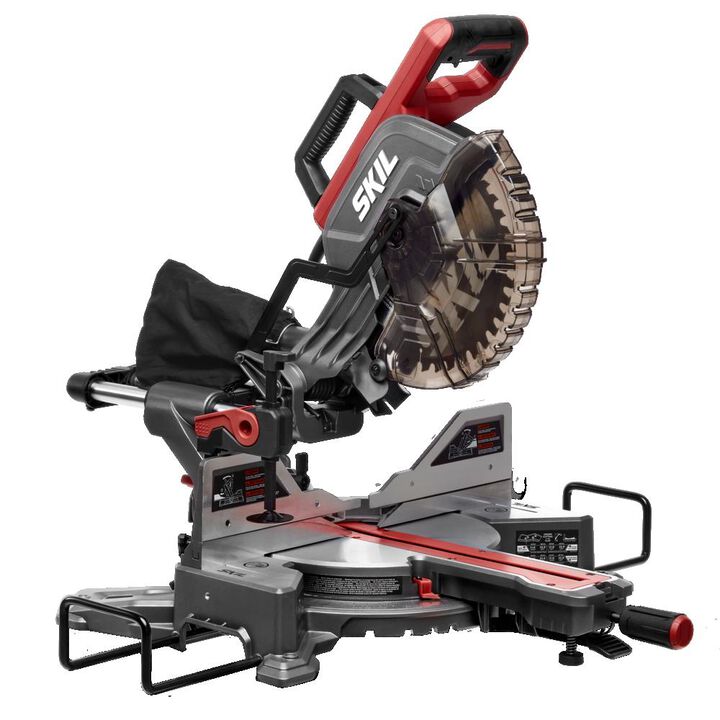
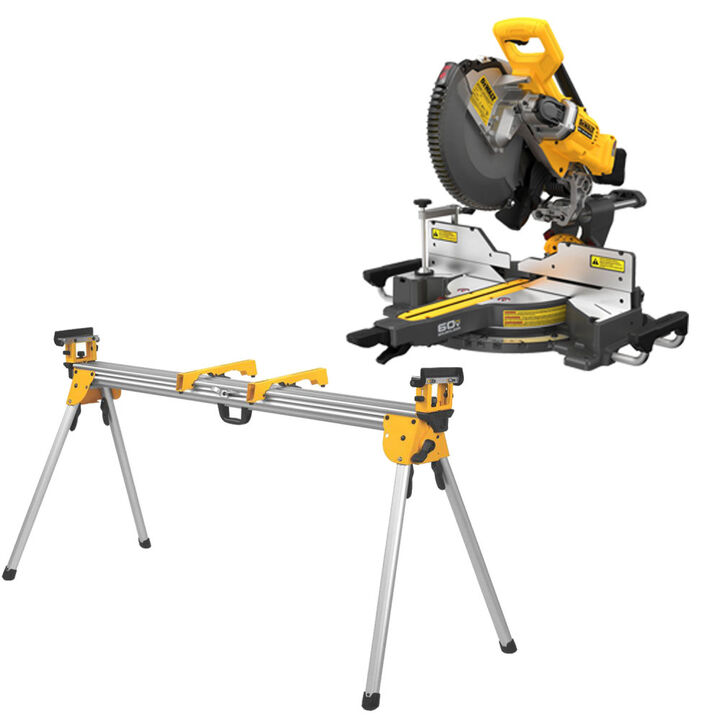
If you're ready to buy smart, here are the categories worth exploring at Acme Tools:




Build Your Setup With Confidence
Avoiding these mistakes when buying a miter saw saves time, money, and frustration on every project that follows. The right saw manages your work efficiently, stays accurate over time, and doesn't require constant adjustments or workarounds. Acme Tools carries a full range of professional-grade miter saws, stands, blades, and accessories from trusted brands, along with expert support to help match the right tool to your work. Upgrade your cutting accuracy, improve efficiency, and invest in equipment that keeps up with your projects.
About The Acme Tools Brand
Acme Tools isn’t just some generic storefront trying to push cheap plastic; we are the undisputed destination for the American worker. Since 1948, we have been outfitting serious contractors, tradesmen, and dedicated DIYers with professional-grade gear that stands up to real jobsites. We don't mess around with subpar equipment because we know you don't have time for tools that quit before the whistle blows. When you are ready to stop wasting time at big-box retailers that don't know a hammer drill from a hole saw, head over to AcmeTools.com. We have a massive inventory, heavy-duty brands, and hands-on expertise to get you exactly what you need to dominate the next project.

