

Electric Vehicle Charging Stations & The Tools You'll Need To Install Them
Mar 26, 2026
The electric vehicle revolution didn't wait for permission, and now every electrician worth their license is fielding calls about EV charger installations. What started as a niche service for early adopters has turned into standard work, residential driveways, commercial parking structures, fleet depots, you name it. If it's got a parking spot and a nearby power source, someone's asking to plug in a Tesla.
But here's the thing about installing EV charging stations: it's not just about knowing your way around a breaker panel. It's about showing up with the right tools so you're not making three trips to the supply house or jerry-rigging a conduit bend because you thought you could eyeball it. This is precision electrical work with high-voltage consequences, and the margin for error is about as thin as the insulation on 6-gauge wire.
Whether you're running Level 2 chargers in suburban garages or wiring up a 20-stall commercial setup, the tools you bring determine whether you finish on schedule or explain to the inspector why your torque specs are "close enough." Let's break down the EV charging station installation tools that matter when the job gets real.
Why EV Charger Installation Tools Matter More Than You Think
Most electric vehicle charging station installations focus on Level 2 chargers. They run on 240 volts, charge exponentially faster than a standard outlet, and require dedicated circuits with proper load calculations and grounding, leaving no room for shortcuts. You're not swapping out a light fixture; you're adding a major appliance that pulls serious amperage and operates daily for years.
Commercial EV charging station installation cranks up the complexity. Now you're dealing with trenching, long conduit runs, concrete core drilling, multi-unit power distribution, and enough red tape to wrap a panel truck. But whether you're working in a home garage or a corporate fleet lot, the fundamentals stay the same: assess the panel and calculate the load, install the circuit, route the conduit, mount the charger, wire and terminate, then test and commission.
Each of those stages relies heavily on professional-grade tools designed for electrical accuracy and job-site durability. The right multimeter catches voltage issues before they fry a $2,000 charger. The right torque wrench prevents terminal failures that lead to warranty work. The right conduit bender means your wire pull doesn't turn into an all-day ordeal involving four guys and a bottle of pulling lubricant.
Core EV Charger Installation Tools Every Electrician Needs
A solid electrical foundation separates reliable installations from liability nightmares. These tools support safe, code-compliant connections and accurate diagnostics from start to finish.
A Digital Multimeter is non-negotiable. You need to verify voltage, continuity, grounding, and load behavior before the charger ever gets mounted. EV charger electrical requirements are sensitive; voltages outside the acceptable range can cause performance issues, charging errors, or outright failure. A quality multimeter catches these problems early, not after the homeowner calls you back three times, wondering why their car won't charge overnight.
A Voltage Tester speeds up safety checks during panel work and troubleshooting. A non-contact voltage tester lets you confirm circuits are de-energized before you start stripping wires or pulling breakers. It's a quick verification tool that protects both the equipment and the person doing the work, and it fits in a tool pouch without adding bulk.
Torque Wrenches eliminates the guesswork that leads to callbacks. Most EV charger manufacturers specify exact torque values for terminal connections. Under-tighten and you get overheating, arcing, and potential fire hazards. Over-tighten and you crack terminals or strip threads. A torque-controlled tool gives you repeatable, manufacturer-spec connections every time, which matters when you're signing off on inspections and warranties.
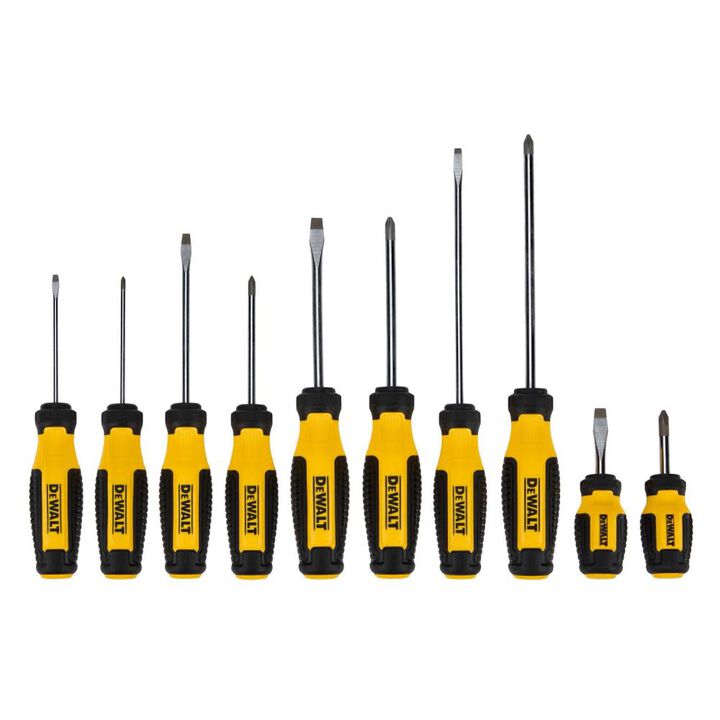
Insulated Hand Tools, such as screwdrivers, pliers, and wire cutters, are mandatory for working in energized panels and high-voltage areas. Insulation ratings aren't a suggestion. They're the difference between a routine panel upgrade and a trip to the ER. Invest in tools rated for the voltage you're working with, and replace them when the insulation shows wear.
Wiring & Conduit Installation Tools That Save Time & Headaches
Routing power cleanly and safely is one of the most time-consuming parts of home EV charger installation and commercial projects alike. The right tools turn a two-day conduit nightmare into a half-day run with clean bends and smooth wire pulls.
Conduit Benders create precise bends for EMT, rigid, or PVC conduit without kinking, flattening, or reducing the interior diameter. Clean conduit runs reduce pull resistance, protect cable insulation, and improve long-term durability. Sloppy bends create friction points that make wire pulling harder and increase the risk of insulation damage during installation.
Fish Tape and Wire Pulling Systems are essential for long conduit runs. Professional wire-pulling tools, whether a basic fish tape or a powered cable puller, reduce installation time and prevent insulation damage from forcing wire through tight or poorly aligned conduit. On commercial jobs with 100-foot runs or multiple bends, a good pulling system is the difference between finishing on schedule and calling in extra labor.
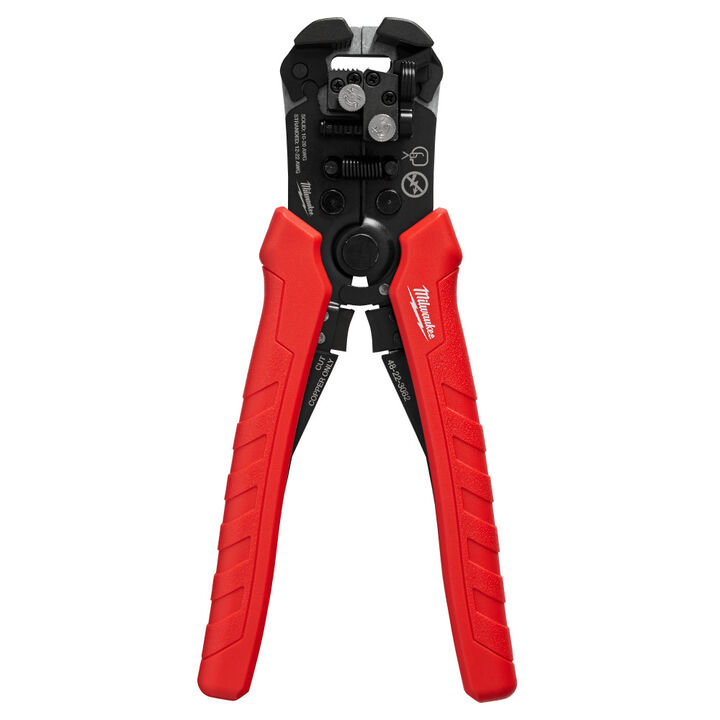
Cable Cutters and Strippers built for high-gauge copper conductors make clean, accurate cuts that ensure proper termination. Cheap cutters crush wire strands, create burrs, and lead to poor connections. Heavy-duty cutting and stripping tools designed for electrical work handle 6-gauge, 4-gauge, and larger conductors without a fight.
Knockout Punch Sets handle panel modifications when adding EV circuits to existing enclosures. Clean, accurate knockouts prevent damage to panel boxes, maintain safety ratings, and speed up installation. Trying to hand-punch a knockout or use a step bit on a loaded panel is a bad idea that gets worse the longer you try.
Mounting & Structural Tools For Secure Charger Installation
EV charging stations need to be securely mounted to walls, pedestals, or concrete foundations. A charger that's loose, crooked, or poorly anchored creates strain on electrical connections, accelerates hardware wear, and looks unprofessional.
A Hammer Drill and Masonry Bits are required for concrete and brick installations. A rotary hammer drill with carbide-tipped masonry bits anchors mounting hardware into foundation walls, garage floors, and concrete pedestals without burning through bits or your patience. Undersized drills and dull bits turn a 10-minute mount into an hour-long ordeal.
A Stud Finder and Level ensure precise alignment, which improves cable routing, connector alignment, and overall appearance. Misaligned chargers put unnecessary strain on cables and connectors, leading to premature wear and customer complaints. A laser level or digital stud finder takes the guesswork out of placement and keeps everything square.
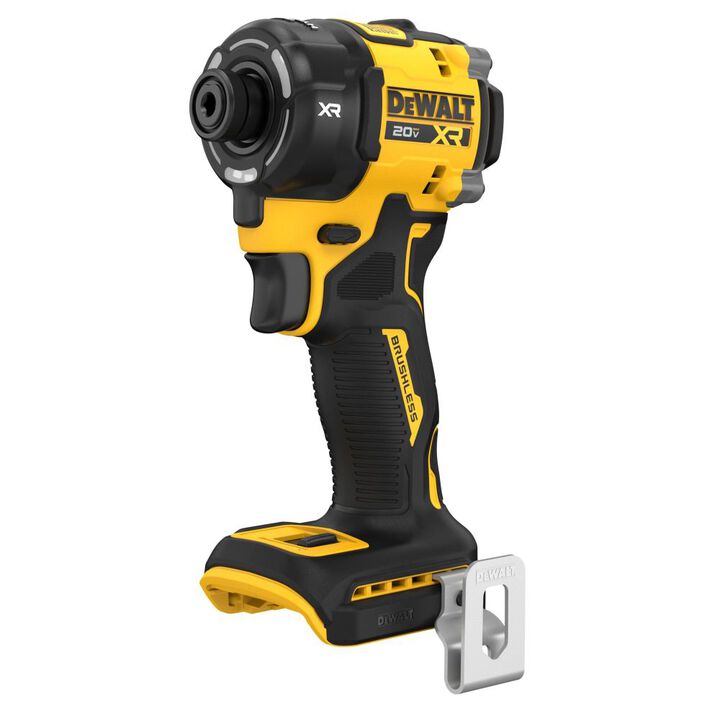
An Impact Driver speeds up mounting bracket installation, especially on commercial projects where you're installing multiple chargers with repetitive hardware work. Cordless impact drivers handle lag bolts, concrete anchors, and heavy brackets faster than a drill, with less wrist fatigue and better torque control.
Safety Equipment That Should Never Be Optional
Installing Level 2 EV chargers, residential or commercial, involves high voltage, heavy tools, and tight workspaces. Safety equipment protects installers, businesses, and the reputation you've built doing quality work.
Electrical-rated gloves, eye protection, lockout/tagout kits, arc-flash PPE, and insulated mats are not optional extras. They're baseline requirements for working safely around energized equipment and high-amperage circuits. Safety compliance isn't just good practice; it's critical for insurance protection, OSHA compliance, and professional credibility. Cutting corners on PPE is a liability you can't afford.
Residential vs Commercial Tool Requirements
Residential EV charger installations typically require fewer heavy tools but still demand accuracy and code compliance. You're working in finished spaces, often with homeowners watching, and mistakes are visible and expensive.
Commercial and fleet projects significantly expand the tool list. Add trenching equipment or concrete coring tools for underground conduit runs, advanced conduit-bending systems for large-diameter pipe, larger wire-pulling rigs for multi-hundred-foot runs, thermal imaging cameras for load diagnostics, and portable generators for unfinished sites without temporary power. Tools needed to install EV charging stations should be assembled and verified before arriving on site; missing a critical tool on a commercial job can lead to delays, budget overruns, and crew downtime.
Preparing For Code Compliance & Inspection
EV charger installations must meet NEC requirements and local building codes, which vary by jurisdiction but universally demand precision and documentation. Tools that support compliance include load-calculation meters to verify panel capacity, ground-resistance testers to confirm proper grounding, labeling equipment for circuit identification, and documentation tools for test verification.
Inspectors aren't impressed by eyeballed torque specs or missing grounding labels. The installations that pass inspection on the first attempt are those backed by proper testing, accurate documentation, and tools that demonstrate the work was done to code. How to install an EV charging station correctly starts with understanding what the inspector will check and having the tools to verify it before they show up.
Building An EV Charger Installation Tool Kit
A professional EV installation kit typically includes a digital multimeter and voltage tester for diagnostics, torque screwdrivers and insulated hand tools for safe terminations, conduit benders and fish tape for routing, cable cutters and wire strippers for prep work, a hammer drill with masonry bits for mounting, knockout punch sets for panel modifications, and full PPE with lockout equipment for safety compliance.
As demand for EVSE installation tools grows, contractors who standardize their toolkits gain a significant efficiency advantage. Showing up prepared means faster installs, fewer callbacks, and the ability to bid competitively without sacrificing quality or safety.
The Business Case For The Right Tools
EV charging infrastructure installation isn't a short-term trend. It's a long-term construction demand driven by federal incentives, corporate sustainability goals, and consumer adoption rates that aren't slowing down. Contractors who invest in proper tooling benefit from faster installations, fewer warranty callbacks, improved safety records, better customer trust, and higher job margins.
Cheap tools cost more over time due to mistakes, job delays, equipment damage, and injuries that could've been prevented. The best tools for EV charger installation aren't the ones with the lowest price tag; they're the ones that hold up under daily use, deliver repeatable accuracy, and protect both the installer and the finished product.
Power Your EV Installations With Confidence
From residential garages to large-scale commercial projects, installing electric vehicle charging stations demands precision, safety, and efficiency. Using the right electrician tools for EV chargers makes the difference between a job that barely passes inspection and one that builds your reputation and generates repeat business.
Acme Tools offers professional-grade electrical tools, conduit equipment, safety gear, and installation accessories built for modern EV infrastructure projects. Equip your crew properly, work smarter onsite, and stay ahead of the electric transportation curve.
Shop EV Charging Station Installation Tools At AcmeTools.com
Ready to build out your EV installation toolkit or upgrade the tools that are slowing you down? Head to AcmeTools.com and explore our full range of multimeters, torque tools, conduit benders, wire pulling systems, hammer drills, and safety equipment. Whether you're running your first residential charger or managing a fleet-scale commercial project, we've got the tools that help you finish faster, work safer, and pass inspection the first time.
Stock your truck with tools built for the job, not tools that barely survive it.







About The Acme Tools Brand
Acme Tools isn’t just some generic storefront trying to push cheap plastic; we are the undisputed destination for the American worker. Since 1948, we have been outfitting serious contractors, tradesmen, and dedicated DIYers with professional-grade gear that stands up to real jobsites. We don't mess around with subpar equipment because we know you don't have time for tools that quit before the whistle blows. When you are ready to stop wasting time at big-box retailers that don't know a hammer drill from a hole saw, head over to AcmeTools.com. We have a massive inventory, heavy-duty brands, and hands-on expertise to get you exactly what you need to dominate the next project.

